
A little beauty, just for you
Plan a nail design appointment with clear references
Translate inspiration into a realistic design conversation before the visit.
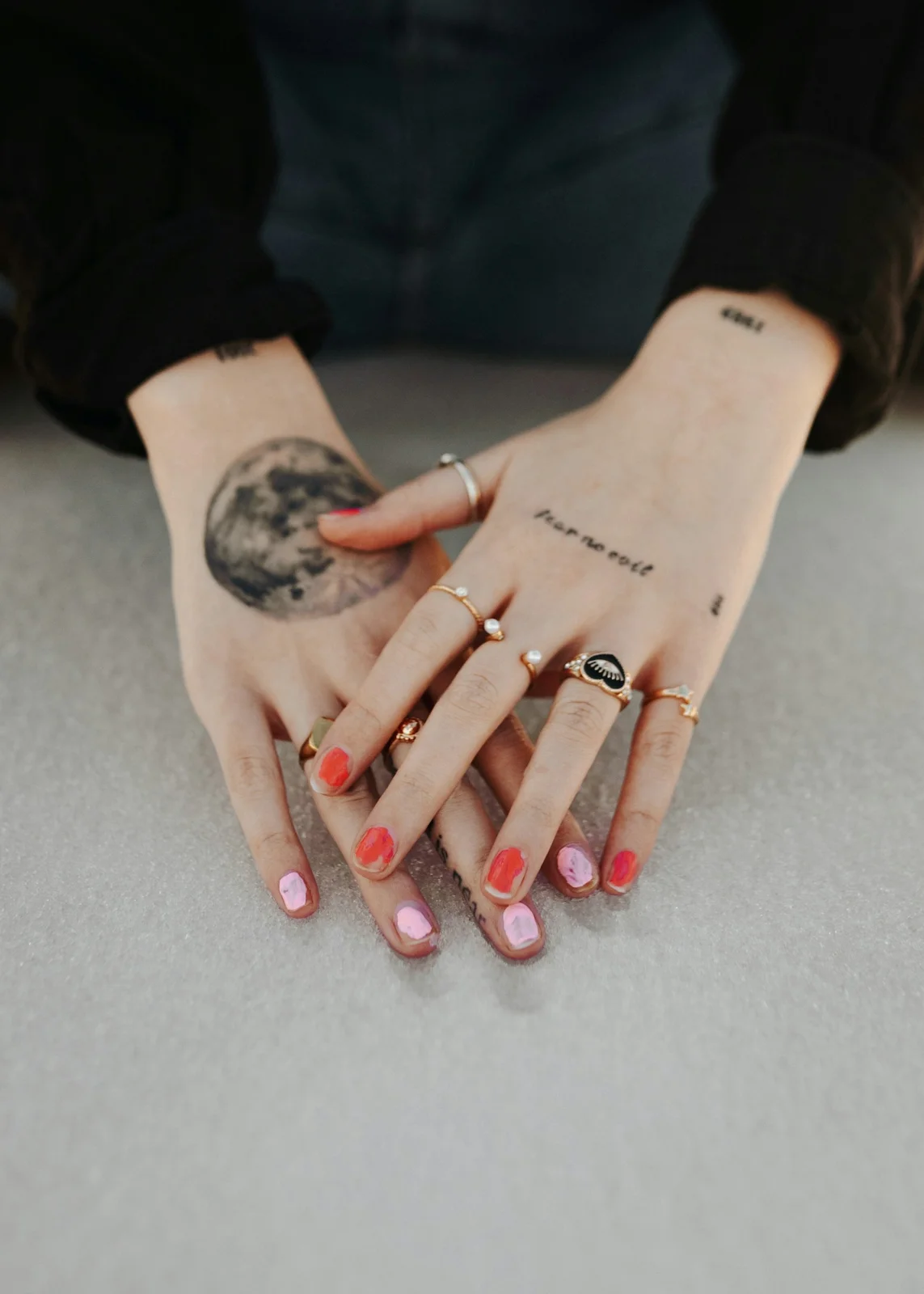
Identify the detail you love
Choose a small number of references and explain what attracts you to each: a color combination, a fine line, a texture, or the placement of an accent. A photograph can contain several different ideas, and the provider may not know which one matters most. Mark the essential feature rather than requesting the whole image without discussion.
If one reference supplies the shape and another the color, say that explicitly. This gives the artist a clearer starting point and leaves room to discuss a design that fits the available length. Inspiration is most useful when it describes your preference rather than requiring a copy of an image created for a different set of nails.
Send references before booking
Detailed work may need a different appointment length from a single-color service. Use the salon's preferred channel to share the design idea before confirming if possible. Ask which booking category applies and whether any element needs further discussion. This is especially useful when the image includes several techniques or a feature you cannot name.
Include whether you want the design on every nail or only as an accent. Those are materially different requests even when the same reference image is used. Keep the conversation together so the person arranging the appointment can see the current idea rather than several contradictory versions sent at different times.
Consider the design at actual scale
A close-up image can make a small detail look much larger than it will appear during daily wear. Ask how the design would work on the shape and length you prefer. Some ideas may need simplification or a different placement to remain clear. The conversation should connect the visual reference with the actual surface available.
If the design includes lettering or a small symbol, ask what can be represented cleanly at that size instead of assuming a detailed image will transfer unchanged. You may prefer a recognizable color or motif over a crowded miniature copy. A simpler interpretation can preserve the idea while feeling more intentional in everyday use.
Plan around the occasion
For a wedding, trip, or other fixed event, share the date and discuss the appointment timing with the salon. Include any other services that affect the schedule. Avoid assuming a complex design can be fitted into the final free hour before departure, particularly if existing product also needs attention.
Consider how the look will work after the event as well as during it. A highly specific theme may be exactly what you want, but a more adaptable version could suit the following week. Neither choice is automatically better; the useful question is whether the design matches the amount of time and attention you want to give it.
Confirm the agreed version
Before work begins, review the colors, placement, length, and any changes made to the original reference. If a requested feature is unavailable or the plan has evolved, make sure both sides are discussing the same version. This is easier than discovering late in the appointment that an accent was expected on a different nail.
Ask about the scope of any revision while there is still an opportunity to discuss it. Use specific language such as a thinner line or a different accent position rather than a general statement that the design feels wrong. Clear observations give the provider something concrete to respond to without requiring them to guess at your preference.
Keep useful notes for next time
After living with the design, note what you enjoyed and what you would change. The color may have worked well while the length felt unfamiliar, or a small detail may have been the part you liked most. Save the service information and a permitted photograph if useful so the next conversation can build on actual experience.
Share this feedback when arranging a future appointment rather than assuming the only options are an identical repeat or an entirely new design. A small adjustment in placement, finish, or shape can make the next version more personal. The goal is a developing understanding of your style, not a constant need for a more elaborate result.